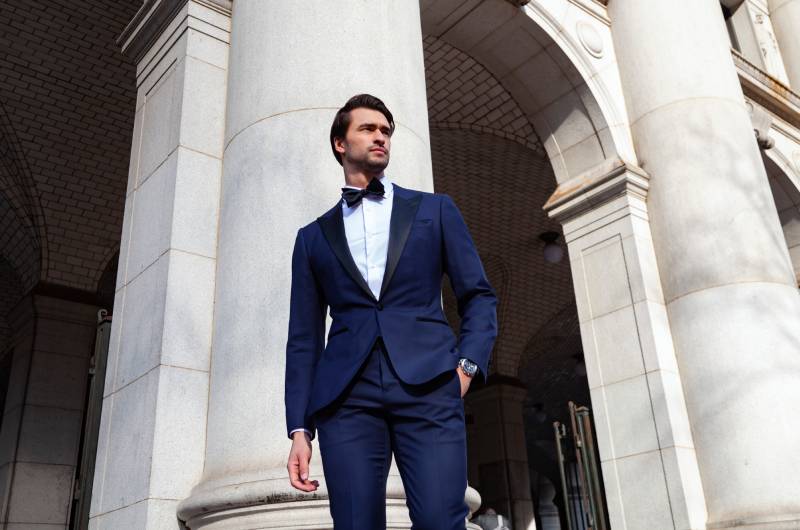
As weddings are becoming more personalized and experience-driven, grooms are approaching their wedding-day style with greater intention. One of the biggest shifts in menswear is the rise of the “groom outfit change,” where a formal ceremony look transitions into a more relaxed reception look. This trend originated from the bride’s outfit change, which has evolved into something couples can participate in together. According to Menswear Expert Brad Bradley of Enzo Custom, this trend reflects a growing interest in personal expression, thoughtful tailoring, and creating distinct moments throughout the celebration. In this Q&A, Bradley shares what he’s seeing in showrooms and how grooms are embracing the second-look trend.

photo credit: John Myers Photography
1. The “groom outfit change” is being called one of the hottest wedding trends right now — what are you seeing in showrooms that proves this shift is real and growing?
“What we’re seeing in showrooms is a clear change in how grooms think about the day.
A wedding used to be about one formal look that carried through everything. Today, many grooms are planning the ceremony and the reception as two distinct moments — each with its own tone.
In appointments, clients increasingly ask not just for a suit, but for a wardrobe strategy: something structured and ceremonial for the aisle, and something lighter, more relaxed, or more expressive for the evening. When that question starts coming up organically, repeatedly, you know it’s no longer a novelty — it’s becoming part of how the day is conceived.
Another shift we’re seeing is a deeper level of personalization. Many grooms are looking to incorporate elements that carry emotional meaning — embroidered initials, meaningful dates, phrases that have significance in the couple’s story, or subtle references placed inside linings and undercollars where only the wearer truly knows they’re there. In some cases, families bring heirloom tokens — a piece of fabric from a relative’s garment, a monogram inspired by a grandfather’s cufflinks, or a lining color drawn from something symbolic to the couple. We’ve seen more clients come to Enzo Custom specifically because they want to embed those personal markers into the final garment. It turns the suit into something more than attire; it becomes a personal artifact of the day, something that holds memory as much as it holds structure.”
2. What are the most popular second-look swaps grooms are choosing for receptions in 2026?
“The most common second look isn’t a complete reinvention — it’s a controlled shift in tone. We’re seeing:
- Dinner jackets in ivory, midnight blue, or textured black
- Velvet or silk-blend jackets for evening receptions
- Removing the waistcoat and opening the silhouette
- Switching to a softer shirt or a more relaxed collar
And interestingly, a noticeable rise in green evening suits. Over the past year, we’ve seen a significant increase in requests for deep forest and bottle-green tones. It’s likely influenced by broader style currents — from red carpet appearances to a growing appreciation for richer, nature-inspired palettes — but what makes green appealing is that it feels distinctive without being loud. Under evening light, it reads as refined and nuanced rather than bold. The goal isn’t to look different. It’s to look lighter, more fluid, more at ease.”
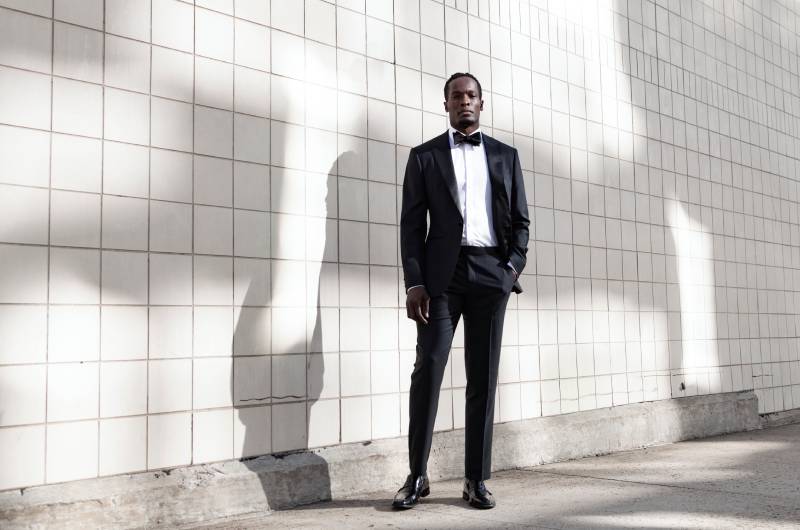
photo credit: Enzo Custom
3. Are you seeing certain fabrics or colors dominate the second-look trend, and why do you think those are resonating?
“Yes — fabrics with depth and movement are dominating second looks. Velvet, lightweight wool, silk blends, and textured jacquards are popular because they respond beautifully to evening lighting. They create dimension without needing bold color. Color-wise, midnight blue, deep forest green (as mentioned previously), ivory, deep brown, and tonal neutrals are leading choices. These shades feel refined and photograph exceptionally well, especially in candlelit or low-light environments. The reason they resonate is simple: they feel celebratory without losing elegance.”
4. What’s driving this movement? Is it social media influence, brides encouraging it, or grooms wanting their own spotlight moment?
“It’s a combination of all three, but I would say the deeper reason is cultural. Modern grooms are more engaged in the process. They see clothing as part of the experience, not just a requirement. Social media certainly amplifies this, but the underlying shift is that men are more comfortable expressing personal style. And yes, there’s also a desire for balance. Weddings have long been centered visually around the bride. The second look gives the groom a moment that feels intentional, not secondary.”
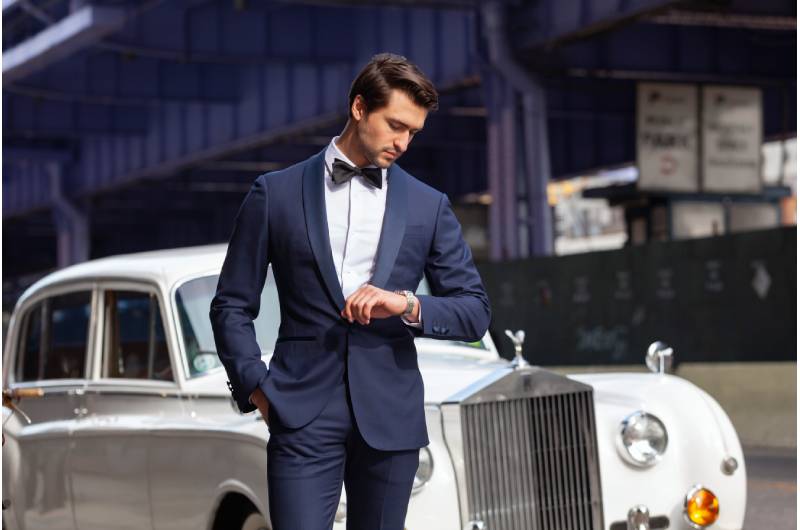
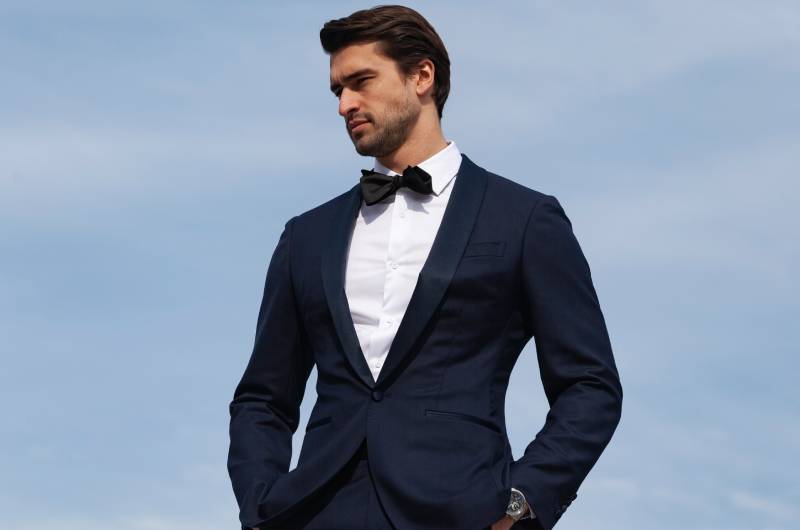
photo credit: Enzo Custom
5. From a styling perspective, what are the key rules for creating a seamless transition between ceremony and reception looks?
“The most important rule is continuity. The two looks should feel related — like movements in the same composition. That continuity can come from:
- The same color family
- The same fabric base
- The same shirt or trousers
- Consistent proportions and fit
If the ceremony look is formal and architectural, the reception look should feel like a softer version of that same idea, not a different story.”
6. How can grooms personalize their second look without clashing with the overall wedding aesthetic?
“The safest way to personalize is through texture and detail, not contrast. A lining, a lapel variation, a subtle pattern, a monogram, or a change in fabric hand can introduce personality without disrupting the visual harmony of the event. The guiding question should be: Does this complement the setting, or compete with it? Elegance usually comes from alignment, not differentiation.”
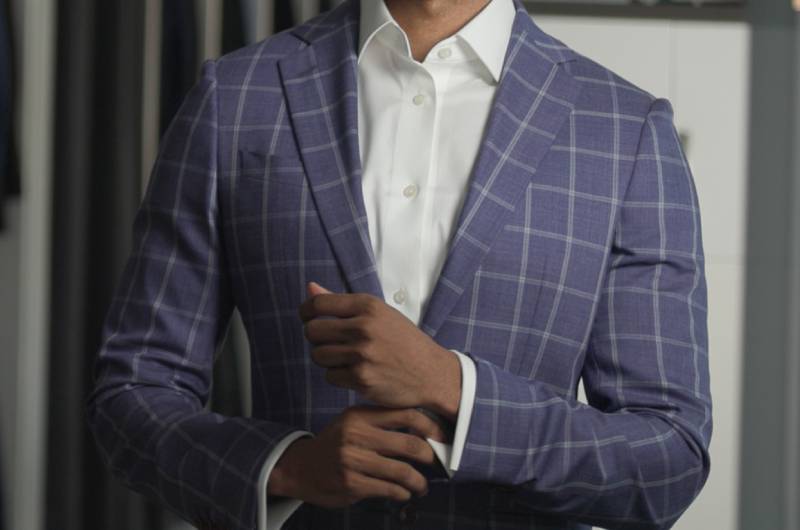
photo credit: Enzo Custom
7. What is the average cost increase when a groom opts for a second outfit, and how are couples budgeting for it?
“In most cases, a second look adds roughly 40–60% to the groom’s wardrobe budget, depending on how much overlap there is between garments. Many couples plan for this from the beginning, treating the groom’s wardrobe as two purposeful pieces rather than one larger expense. Another approach we see is building the second look so it can be worn again — a dinner jacket or evening suit that becomes part of the client’s long-term wardrobe. When something has a life beyond the wedding, the investment feels very different.”
8. For grooms who don’t want a full outfit change, what subtle swaps can still create that “wow” reception moment?
“A few small changes can transform the impression:
- Switching to a dinner jacket
- Removing the tie and opening the collar
- Changing to a softer shirt or evening shirt
- Pocket square and boutonnière adjustments
- Changing shoes
Sometimes removing structure is enough. Elegance often appears when formality relaxes slightly.”
 photo credit: Lisa Blume
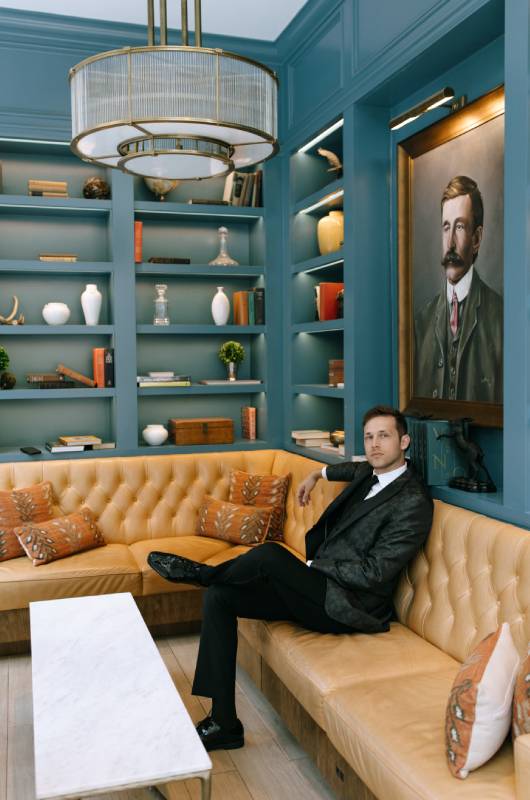 photo credit: Larissa Soroka Photo
9. Are you seeing regional differences in how bold grooms are willing to go with their reception look?
“Yes, very much so. In cities like New York, London, or Milan, boldness tends to come through texture and tailoring rather than color. The expression is subtle but deliberate. In warmer climates or destination weddings, grooms are often more open to lighter palettes, linen blends, or ivory jackets. The environment naturally encourages a more relaxed interpretation of formalwear. Climate and setting influence decisions as much as fashion does.”
10. Looking ahead to 2026 and beyond, do you think the groom outfit change will become standard practice — or is it still a luxury add-on?
“I believe it will become increasingly common, but not universal. There will always be grooms who prefer a single, perfectly considered look — and that will never feel outdated. But for many couples, weddings are becoming more experiential, more layered, and the wardrobe is reflecting that. So the second look may not become mandatory. But it is quickly becoming a natural extension of the modern wedding.”